
Reformer Pilates uses a specialized apparatus with springs and a sliding platform to provide guided resistance, enhancing strength, alignment, and exercise variety.
Mat Pilates relies on body weight and minimal props for controlled movements focusing on core stability, flexibility, and portability.
Reformer requires more space and equipment, while mat Pilates is more accessible and adaptable. Both support fitness goals but suit different preferences and needs. Further exploration reveals detailed differences in structure, benefits, and suitability for various levels.
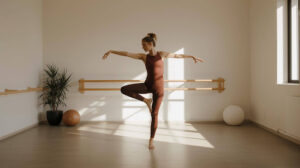
Reformer Pilates vs Mat Pilates: Key Differences at a Glance
Comparing Reformer Pilates and Mat Pilates reveals distinct differences in equipment use, exercise variety, and intensity. Reformer Pilates utilizes a specialized apparatus featuring springs, pulleys, and a sliding platform, enabling a broader range of resistance-based exercises — a style commonly offered in reformer pilates KL studios across the city. This equipment introduces variability, supporting movement control and muscle engagement beyond body weight alone.
In contrast, Mat Pilates relies solely on body weight and minimal props, focusing on fundamental movements performed on a flat surface. The mat approach emphasizes core strength, flexibility, and balance through controlled, precise motions.
Intensity levels in Reformer Pilates can be adjusted via spring tension, offering scalable challenges, whereas Mat Pilates intensity is driven by exercise complexity and repetition.
Both forms foster physical freedom but differ markedly in method and experience, catering to diverse preferences for movement and control.
Understanding Reformer Pilates: How It Works and What to Expect
Reformer Pilates utilizes a specialized machine equipped with springs and pulleys to provide resistance and support during exercises.
Sessions typically follow a structured sequence designed to target strength, flexibility, and alignment.
Understanding the equipment and session flow helps set expectations for participants new to this method.
Equipment And Mechanics
With the use of a specialized apparatus, this Pilates method integrates springs, pulleys, and a sliding carriage to create resistance and support.
The reformer’s adjustable springs allow users to customize tension, enabling smooth, controlled movements that challenge muscles differently than bodyweight exercises.
The sliding carriage glides back and forth on tracks, offering dynamic motion that enhances strength, flexibility, and balance. Pulleys and straps extend reach and range of exercise options, promoting fluid shifts and varied resistance levels.
This equipment’s design encourages alignment and precision, supporting the body while fostering freedom of movement.
Unlike static mat exercises, the reformer’s mechanics provide continuous feedback and assistance, making it accessible for all skill levels while advancing physical control and freedom in a versatile workout environment.
Typical Session Structure
Typically, a session begins with a brief warm-up to prepare the body and establish breathing patterns essential to Pilates practice.
In Reformer Pilates, the flow shifts between controlled movements using the reformer’s springs and platform, promoting strength and flexibility. Each session is designed to encourage freedom of movement within a structured framework.
Key components often include:
- Controlled breathing synchronized with movement
- Progressive resistance exercises using the reformer
- Core stabilization and alignment focus
- Dynamic stretches to enhance mobility
- Cool-down with gentle, flowing movements
This structure allows practitioners to engage muscles deeply while maintaining fluidity and ease, supporting both physical energy and a sense of liberation. The balance of resistance and freedom defines the unique experience of Reformer Pilates sessions.
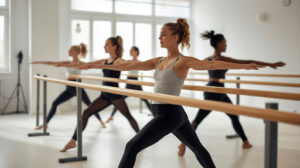
Understanding Mat Pilates: Class Structure and Benefits
Mat Pilates classes typically focus on controlled movements performed on a mat, emphasizing core strength, flexibility, and body awareness.
The practice requires minimal equipment, making it accessible and adaptable to various fitness levels.
Benefits include improved posture, enhanced muscle tone, and increased overall stability.
Mat Pilates Essentials
A standard Mat Pilates class usually lasts between 45 to 60 minutes and centers on controlled movements performed on a cushioned floor mat. The practice emphasizes precision, breathing, and alignment, fostering both strength and flexibility without bulky equipment.
Key elements include:
- A sequence of foundational exercises targeting core stability
- Use of body weight to enhance resistance and control
- Focused breathing techniques to support movement fluidity
- Attention to posture and spinal alignment throughout
- Minimalist setup allowing practice anywhere
This accessible format encourages personal freedom in movement and adaptability, making it a versatile choice for those seeking a disciplined yet liberating fitness routine.
Benefits Of Mat Practice
Experiencing consistent Pilates practice cultivates enhanced core strength, improved posture, and greater body awareness.
Mat Pilates offers the freedom to engage in these benefits without reliance on equipment, making it accessible anywhere. It promotes muscle balance and flexibility through controlled movements that challenge stability and coordination.
This practice fosters mental clarity by encouraging focused breathing and mindfulness, contributing to stress reduction.
Mat Pilates also supports injury prevention by strengthening the body’s foundation and improving alignment. Its adaptable nature allows practitioners to modify exercises according to individual needs, promoting autonomy in movement.
Ultimately, mat practice empowers individuals to develop a resilient, balanced body while embracing the liberty to practice independently or in diverse environments, underscoring its value as a versatile approach to physical well-being.
Comparing the Benefits of Reformer and Mat Pilates
When comparing Reformer and Mat Pilates, distinct advantages emerge from each practice. Both offer unique pathways to enhanced strength, flexibility, and body awareness, yet they cater to different preferences and goals.
Reformer Pilates provides controlled resistance and support, while Mat Pilates emphasizes core stability and fluid movement using body weight alone.
This contrast allows practitioners to choose a method aligning with their need for freedom in movement or guided structure — options commonly available through professional studios such as la-pilatesstudio.com.
- Reformer Pilates aids in precise muscle engagement with adjustable resistance
- Mat Pilates encourages portability and practice anywhere
- Reformer sessions often allow for greater exercise variety
- Mat Pilates fosters foundational control and balance
- Both enhance posture, breathing, and mental focus
Each method supports an individual’s pursuit of physical liberation through mindful exercise.
Equipment and Space Needs for Reformer vs Mat Pilates
Equipment requirements distinguish Reformer Pilates from Mat Pilates, impacting accessibility and space considerations.
Reformer Pilates relies on a specialized apparatus featuring springs, pulleys, and a sliding carriage, demanding a dedicated, often larger area to accommodate the machine’s footprint and guarantee safe movement.
This setup limits portability and requires a financial investment, potentially restricting where and when sessions can occur.
In contrast, Mat Pilates demands minimal equipment—primarily a comfortable mat—and can be practiced in virtually any open space, indoors or outdoors.
This simplicity grants practitioners greater freedom to exercise flexibly, adapting to various environments without the constraints of bulky apparatuses.
Consequently, Mat Pilates offers unparalleled accessibility and convenience, aligning well with those valuing mobility and ease in their fitness routines.
Which Pilates Style Is Right for Your Fitness Level and Goals?
How can an individual determine which Pilates style best aligns with their fitness level and personal goals?
Choosing between Reformer and Mat Pilates depends on factors such as current strength, flexibility, and desired outcomes.
Reformer Pilates suits those seeking guided resistance and enhanced muscle engagement, ideal for building strength and improving alignment.
Mat Pilates offers greater accessibility and freedom, favoring individuals who prefer minimal equipment and focus on core stability and flexibility.
Consider these points to decide:
- Fitness level: beginner, intermediate, or advanced
- Goals: strength, flexibility, rehabilitation, or relaxation
- Equipment availability and space constraints
- Preference for guided resistance versus bodyweight exercises
- Desire for structured sessions or adaptable routines
Balancing these elements helps select a Pilates style that supports personal freedom and fitness aspirations.
Conclusion
Reformer Pilates and Mat Pilates each offer unique benefits tailored to different fitness levels and goals.
Reformer Pilates incorporates specialized equipment to enhance resistance and support, while Mat Pilates relies on body weight and minimal props for a more accessible practice.
Both styles improve strength, flexibility, and posture, but choosing between them depends on individual preferences, available space, and specific fitness objectives. Ultimately, either method can effectively contribute to overall physical well-being.